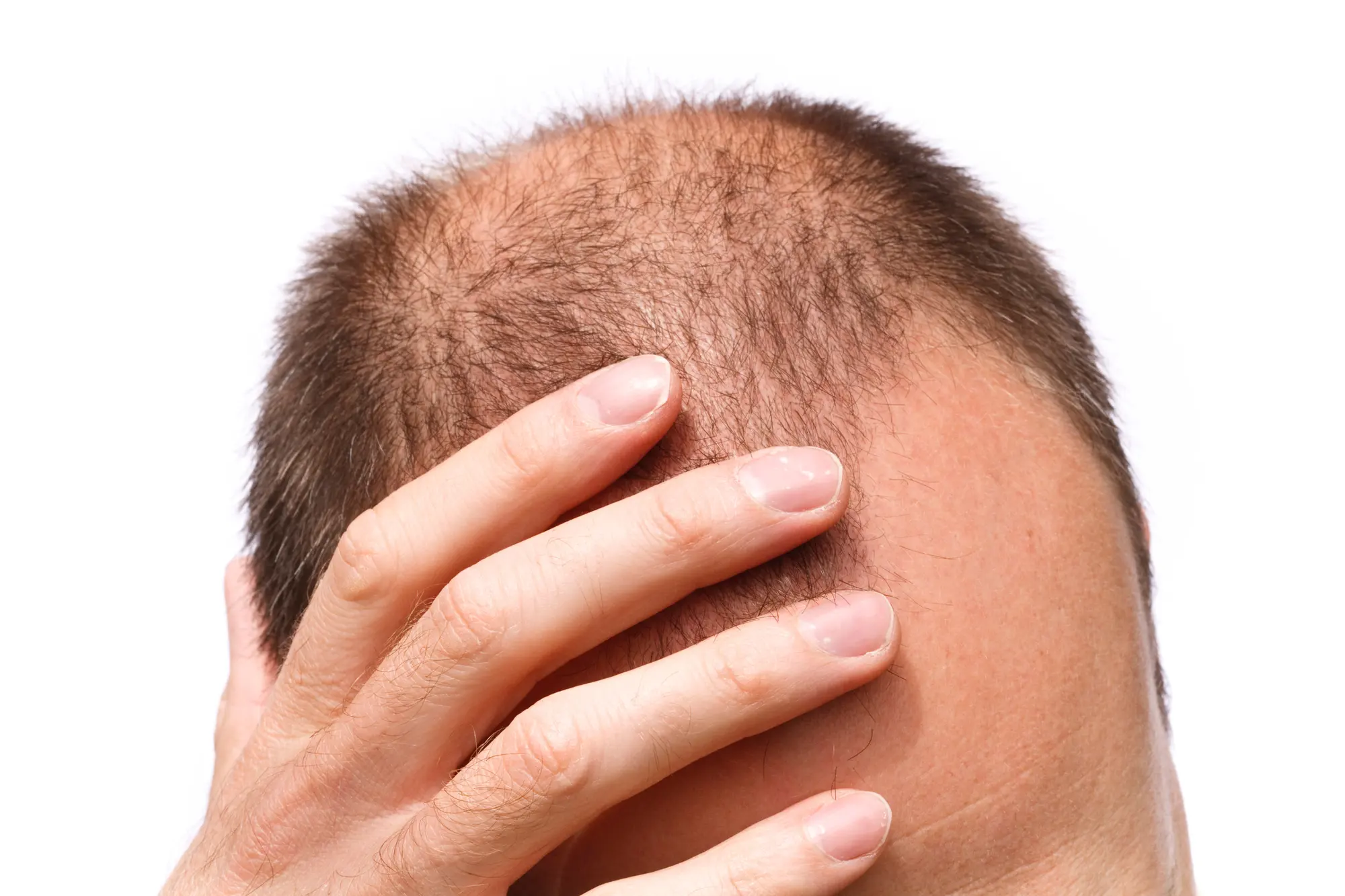
Regardless of what your age or your hair loss problem is, there are many Hair Loss options for cosmetic procedures for hair loss. From laser therapy to grafting, there are procedures for restoring your hair.

Laser therapy

Whether you’re dealing with receding hairline or androgenetic alopecia, laser therapy for hair loss is a great option to restore your mane. It’s non-invasive and has few side effects. This treatment is suitable for both men and women.

Laser hair therapy works by increasing blood flow to the scalp, boosting the delivery of essential nutrients and oxygen to the hair roots. It also stimulates cellular activity and protein synthesis. This allows the hair to grow thicker.
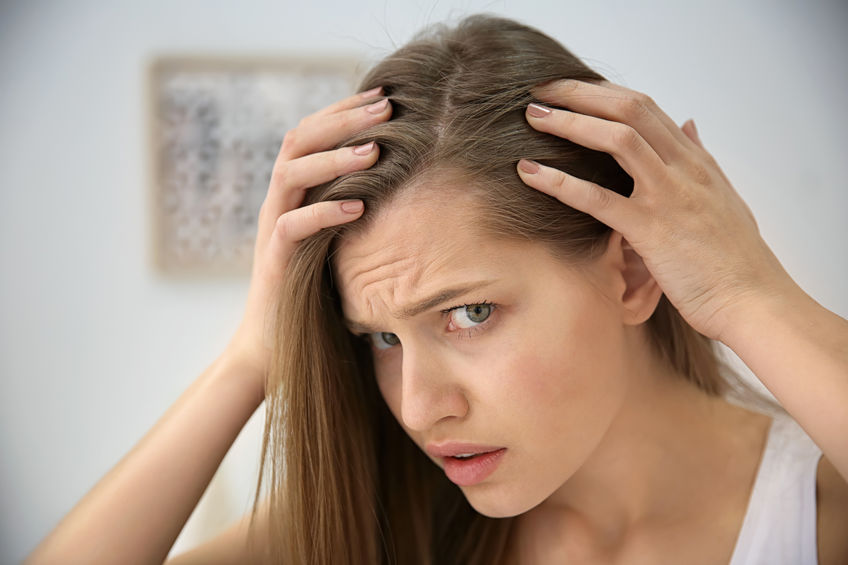
Low Level Laser Therapy (LLLT) is one of the most advanced forms of treatment. It is based on the scientific principle of photo-biotherapy. Light is absorbed by the cells and stimulates them to produce adenosine triphosphate (ATP). This increases metabolism and jumpstarts the growth process.

The exact mechanism by which laser light promotes hair growth is still unknown. However, researchers have uncovered some promising results. In particular, LLLT has been shown to improve wound healing and promote hair growth in follicles transplanted into patients.

Hair grafting

During hair grafting, the surgeon transfers small pieces of hair-bearing scalp to the balding areas of your head. This is a cosmetic procedure that is often used to enhance the appearance of your head.

The best candidates for this procedure have healthy hair growth at the back and sides of the head. However, some people may not qualify. You should also be aware of the risks associated with the procedure.

There are several different types of grafts used in hair transplantation. These include strip grafts, minigrafts, and micrografts.

Strip grafts are thin, long grafts that contain about 30 to 40 hairs. Minigrafts are a small graft that contains two to four hairs. Micrografts are very small grafts that contain one or two hairs.

The surgery is usually performed under local anesthesia. A small slit will be made in the scalp to place the grafts. The scalp will be cleansed and bandaged after the procedure.

After the surgery, the patient is allowed to move around normally, but should avoid strenuous activities for a few weeks. He or she may need to wear a pressure bandage to protect the scalp.

Scalp reduction

Surgical scalp reduction is a type of cosmetic procedure that minimizes balding spots on the head. It can be performed alone or in conjunction with hair transplantation.

During scalp reduction, the surgeon removes a portion of the scalp to reduce the size of the balding area. He or she may also stretch the hair-bearing scalp to cover the bald spot. The area will be numb for several hours to a day following the procedure.

In the 1980s, scalp reduction was one of the most popular procedures for hair loss treatment. This procedure was based on the idea that by removing the balding area, hair will grow back.

Scalp reduction is done in a hospital outpatient setting. Usually, a local anesthetic is used to numb the scalp. General anesthesia is sometimes used for more extensive forms of bald spot removal.

Scalp reduction surgery was developed in the late 1970s. At the time, alternatives to scalp reduction were large plugs and flap procedures.

RELATED ARTICLES

Ultimate Guide To Choosing A Divorce Lawyer

Divorce is often one of the most challenging experiences a person can go through, both emotionally and legally. As couples navigate the complexities of separating their lives, having a skilled divorce lawyer by their side can make a significant difference. These legal professionals not only provide essential guidance through the intricate divorce process but also advocate for their clients’ rights and interests, ensuring that matters such as asset division, child custody, and support are handled fairly and justly. In this article, we will explore the critical role that divorce lawyers play in the dissolution of marriage, the services they offer, and how to choose the right attorney for your needs. Whether you are contemplating divorce, currently in the midst of proceedings, or seeking to understand the legal implications of separation, the insights provided here will help illuminate the path forward and empower you to make informed decisions during this pivotal time in your life. The Role of Divorce Lawyers Divorce lawyers serve as crucial navigators in the often turbulent waters of marital dissolution. Their expertise is invaluable in addressing the myriad issues that arise during the process, such as equitable distribution of assets, debt allocation, and spousal support. With a thorough understanding of family law, they help clients formulate strategies that align with their unique circumstances, protecting their rights and advocating for their interests. A seasoned attorney can also provide emotional support and clarity, making it easier for individuals to focus on their futures while handling complex legal matters efficiently and effectively. For those seeking professional assistance, Divorce Lawyers can offer localized expertise tailored to the jurisdiction of the case. Choosing the Right Attorney Selecting the right divorce lawyer is a critical step that can significantly impact the outcome of the proceedings. Prospective clients should consider factors such as the attorney’s experience, area of specialization, and client testimonials. Initial consultations can provide insight into the lawyer’s approach and compatibility with your needs. It’s also essential to discuss fees and payment structures to avoid surprises down the line. As divorce can be a lengthy and emotionally charged process, partnering with a lawyer who not only possesses legal acumen but also displays empathy and understanding can make navigating this life change smoother and less stressful. In conclusion, engaging the right divorce lawyer is an essential aspect of the divorce process that can help individuals reclaim a sense of control amidst the chaos. The right attorney not only provides legal expertise but also acts as a supportive ally, guiding clients through the emotional and procedural challenges that arise during this transition. By carefully assessing potential candidates based on experience, approach, and compatibility, individuals can foster a collaborative relationship that prioritizes their interests and promotes a smoother journey toward resolution. Ultimately, securing skilled legal representation is a vital investment in one’s future, enabling individuals to emerge from this challenging chapter equipped for new beginnings. Will Pitman View all posts by Will Pitman

How-To Repair Your Outboard Motor: Step-By-Step Guide

Outboard motors are essential for powering a variety of watercraft, from fishing boats to recreational cruisers. These engines can endure harsh conditions on the water, making regular maintenance and repairs crucial for ensuring reliability and performance. However, like any mechanical system, outboard motors can encounter a range of issues over time, from fuel system problems to mechanical failures. Understanding the basics of outboard motor repair can not only help boat owners save money but also enhance their knowledge of marine engines. This article aims to provide a comprehensive guide to outboard motor repair, covering common issues, troubleshooting tips, and essential maintenance practices. Whether you’re a seasoned boat enthusiast or a beginner, our insights will equip you with the necessary skills to tackle repairs and keep your outboard motor running smoothly. By the end, you’ll be better prepared to manage repairs and ensure that your time on the water remains enjoyable and hassle-free. Common Outboard Motor Issues Outboard motors can face a variety of issues that may hinder their performance. Common problems include fuel system blockages, electrical system failures, and cooling system malfunctions. For instance, a clogged fuel filter can lead to insufficient fuel delivery, resulting in poor engine performance or stalling. Similarly, issues with the ignition system, such as worn spark plugs or faulty wiring, can cause starting difficulties. Regular inspection and maintenance can help identify these issues early, allowing for timely repairs and avoiding more extensive damage. Familiarizing yourself with these common problems can make the process of outboard motor repair more manageable and less intimidating. Essential Maintenance Practices To ensure the longevity and reliability of outboard motors, routine maintenance is essential. This includes tasks such as changing the oil, inspecting the propeller, and flushing the cooling system regularly. Additionally, checking the condition of the battery and the integrity of the electrical connections plays a vital role in preventing electrical failures. Following the manufacturer’s recommended maintenance schedule and keeping a checklist can help boat owners consistently perform necessary upkeep. Taking proactive measures not only enhances the performance of the motor but also provides peace of mind while enjoying time on the water. In conclusion, mastering outboard motor repair involves understanding both the common issues that can arise and the essential maintenance practices that can keep engines in optimal condition. By familiarizing yourself with basic troubleshooting techniques and committing to regular upkeep, you can significantly extend the life of your outboard motor while ensuring dependable performance on the water. As you develop your skills in this area, you’ll find that self-sufficiency not only saves you money but also enriches your overall boating experience. With the right knowledge and preventative measures, you can confidently navigate any challenges that come your way, allowing you to focus on what truly matters—enjoying your time on the water. Will Pitman View all posts by Will Pitman

Leave a Reply

Your email address will not be published. Required fields are marked *