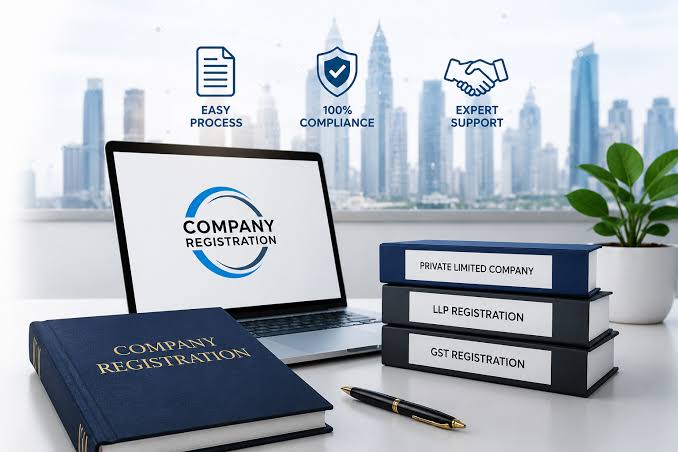
Registering a company is a vital step for entrepreneurs and businesses looking to establish a legal identity and build credibility in the marketplace. This process not only legitimizes your business in the eyes of clients and suppliers but also offers various benefits such as legal protection, tax advantages, and access to funding opportunities. Whether you are starting a small sole proprietorship or a large corporation, understanding the nuances of company registration is crucial for setting a solid foundation for your business.

In this article, we will guide you through the essential steps involved in registering a company, including selecting a business structure, choosing a unique name, and complying with local regulations. We will also discuss the documentation required for the registration process, potential costs involved, and the timeline you can expect. By the end of this piece, you’ll have a clear roadmap to successfully register your company and embark on your entrepreneurial journey with confidence.

Selecting the Right Business Structure

Choosing the appropriate business structure is one of the first and most critical decisions in the company registration process. Options typically include sole proprietorships, partnerships, limited liability companies (LLCs), and corporations. Each structure has its advantages and disadvantages in terms of liability, taxation, and regulatory requirements. It’s essential to evaluate your business goals, the level of personal liability you are willing to assume, and the various tax implications. For entrepreneurs looking to streamline their learning curve, resources such as company registration Hungary can provide invaluable insights into the local legal landscape and help navigate the specific requirements for each business type.

The documentation required for company registration varies widely depending on the chosen business structure and the jurisdiction. Common documents include identification proof, a business plan, and the articles of incorporation. Additionally, prospective owners often have to pay registration fees, which can differ significantly based on location and business type. Understanding these costs upfront can help you budget effectively and avoid any surprises later in the process.

In conclusion, successfully navigating the company registration process is essential for any aspiring entrepreneur or business owner. From selecting the right business structure to gathering the necessary documentation and understanding the associated costs, each step plays a vital role in establishing a solid framework for your venture. As you move forward, remember that company registration is not merely a legal formality; it is an investment in your business’s future that can protect your interests and open doors to new opportunities. With careful planning and attention to detail, you can turn your entrepreneurial dreams into reality, setting yourself up for long-term success in a competitive marketplace.

RELATED ARTICLES

Easy Company Registration: Start Your Business Today!

Registering a company is a vital step for entrepreneurs and businesses looking to establish a legal identity and build credibility in the marketplace. This process not only legitimizes your business in the eyes of clients and suppliers but also offers various benefits such as legal protection, tax advantages, and access to funding opportunities. Whether you are starting a small sole proprietorship or a large corporation, understanding the nuances of company registration is crucial for setting a solid foundation for your business. In this article, we will guide you through the essential steps involved in registering a company, including selecting a business structure, choosing a unique name, and complying with local regulations. We will also discuss the documentation required for the registration process, potential costs involved, and the timeline you can expect. By the end of this piece, you’ll have a clear roadmap to successfully register your company and embark on your entrepreneurial journey with confidence. Selecting the Right Business Structure Choosing the appropriate business structure is one of the first and most critical decisions in the company registration process. Options typically include sole proprietorships, partnerships, limited liability companies (LLCs), and corporations. Each structure has its advantages and disadvantages in terms of liability, taxation, and regulatory requirements. It’s essential to evaluate your business goals, the level of personal liability you are willing to assume, and the various tax implications. For entrepreneurs looking to streamline their learning curve, resources such as company registration Hungary can provide invaluable insights into the local legal landscape and help navigate the specific requirements for each business type. The documentation required for company registration varies widely depending on the chosen business structure and the jurisdiction. Common documents include identification proof, a business plan, and the articles of incorporation. Additionally, prospective owners often have to pay registration fees, which can differ significantly based on location and business type. Understanding these costs upfront can help you budget effectively and avoid any surprises later in the process. In conclusion, successfully navigating the company registration process is essential for any aspiring entrepreneur or business owner. From selecting the right business structure to gathering the necessary documentation and understanding the associated costs, each step plays a vital role in establishing a solid framework for your venture. As you move forward, remember that company registration is not merely a legal formality; it is an investment in your business’s future that can protect your interests and open doors to new opportunities. With careful planning and attention to detail, you can turn your entrepreneurial dreams into reality, setting yourself up for long-term success in a competitive marketplace. Will PitmanView all posts by Will Pitman

Casino Games Guide: Tips For Winning Big Every Time!

Casino games have captivated players around the globe for centuries, offering a thrilling blend of chance, strategy, and social interaction. From the iconic spinning wheels of roulette to the strategic allure of poker tables, these games provide a unique experience that caters to both casual players and seasoned gamblers. As technology has evolved, so too has the landscape of casino gaming, with online platforms becoming increasingly popular and accessible, allowing a wider audience to engage in the excitement from the comfort of their own homes. In this article, we will delve into the diverse world of casino games, exploring their rich history, various types, and the rules that govern them. Whether you are a newcomer curious about the basics or a veteran looking to refine your skills, understanding the nuances of these games can significantly enhance your gaming experience. Join us as we uncover the secrets behind some of the most popular casino games and provide insights that will help you navigate the vibrant world of gambling. Types of Casino Games Casino games can be broadly categorized into table games, card games, and gaming machines. Table games, such as blackjack, baccarat, and craps, typically involve a dealer and require players to employ strategies and tactics to maximize their chances of winning. Card games, particularly poker, stand out for their blend of skill and psychology, as players must not only understand the game mechanics but also read their opponents’ behavior. Gaming machines, such as slot machines and video poker, appeal to those who favor a more straightforward, luck-based approach, offering engaging graphics and themes that keep players entertained. For those eager to explore these variations, platforms like Stbetplus provide an excellent place to start. The Evolution of Casino Gaming The evolution of casino gaming reflects broader changes in technology and society. From the lush environments of brick-and-mortar casinos to the convenience and accessibility of online gaming, players now have more options than ever before. Innovations like live dealer games have blurred the lines between in-person and online experiences, allowing players to enjoy the thrill of real-time interaction while seated at home. As regulations evolve and the gaming industry adapts to new trends, such as mobile gaming and virtual reality, the future promises even more exciting developments for casino enthusiasts. As we look towards the future of casino gaming, it’s clear that the allure of these games extends far beyond mere luck and chance; they encompass a rich tapestry of culture, community, and innovation. With each technological advancement, players gain new opportunities to connect with the games they love, regardless of geographical boundaries. Whether through immersive virtual reality experiences that transport you to a bustling casino floor or through mobile apps that allow for gaming on the go, the essence of casino games continues to evolve, captivating new generations. As the landscape shifts, one thing remains constant: the excitement and anticipation that come with each roll of the dice, turn of a card, or spin of a wheel, ensuring that the legacy of casino gaming will endure for years to come. Will PitmanView all posts by Will Pitman

Leave a Reply

Your email address will not be published. Required fields are marked *