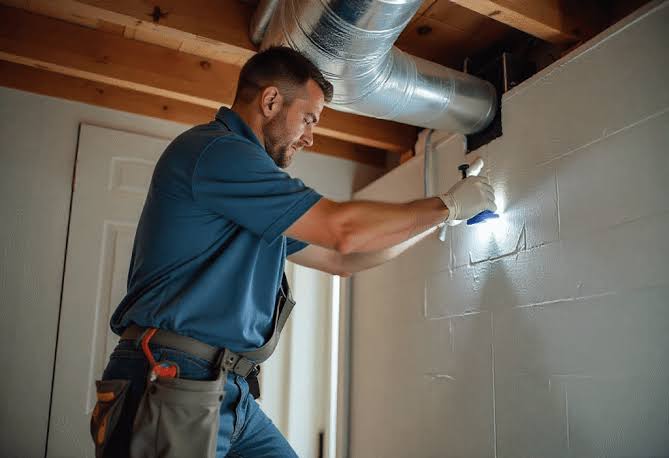
Fires can occur at any time and in any place, causing massive damage to both property and life. The ability to control and contain a fire is crucial, and that’s why fire safety should always be a top priority. Passive fire protection measures are an essential aspect of fire safety, as they help prevent the spread of fires and allow safe evacuation. In this article, we will discuss the importance of passive fire protection and the various measures that can be taken to ensure the safety of buildings and their occupants.
What is Passive Fire Protection?
Passive fire protection refers to the measures that are built into a building’s structure to prevent or limit the spread of fire. This can include fireproof walls, fire doors, fire-resistant insulation, and fire-rated glass. Passive fire protection measures are designed to slow down the spread of fire, giving building occupants more time to evacuate and the fire department more time to respond.

Importance of Passive Fire Protection
The importance of passive fire protection cannot be overstated. Passive fire protection measures play a crucial role in saving lives and preventing damage to property. Some of the key benefits of passive fire protection include:
- Slowing down the spread of fire: Passive fire protection measures slow down the spread of fire, giving occupants more time to evacuate and the fire department more time to respond.
- Preventing structural collapse: By slowing down the spread of fire, passive fire protection measures can prevent structural collapse, reducing the risk of injury and death.
- Protecting property: Passive fire protection measures can also help protect a building’s contents, reducing the damage caused by a fire and helping to minimize the costs of repairs.
- Improving safety: Passive fire protection measures help to improve safety by providing a barrier between a fire and the building’s occupants. This can reduce the risk of injury or death, and can also make it easier for the fire department to respond to the fire.
Types of Passive Fire Protection
There are several types of passive fire protection measures that can be used in buildings. Some of the most common include:
- Fireproof walls: Fireproof walls are constructed using fire-resistant materials, such as concrete, to prevent the spread of fire.
- Fire doors: Fire doors are designed to prevent the spread of fire and smoke, and are often equipped with self-closing mechanisms.
- Fire-resistant insulation: Fire-resistant insulation is used in walls, ceilings, and floors to slow down the spread of fire.
- Fire-rated glass: Fire-rated glass is designed to prevent the spread of fire and smoke, and is often used in windows and doors.
- Sprinkler systems: Sprinkler systems are designed to automatically activate in the event of a fire, helping to extinguish the fire and prevent its spread.
Ensuring the Effectiveness of Passive Fire Protection
In order for passive fire protection measures to be effective, they must be properly installed and maintained. This includes ensuring that fireproof walls, fire doors, and other passive fire protection measures are installed according to the manufacturer’s instructions, and that they are properly maintained over time. In addressing the imperative of Fire Safety First, it is crucial to recognize the interconnected role of Critical Infrastructure Protection in the Modern World, emphasizing the significance of Passive Fire Protection measures.
It is also important to conduct regular fire drills to ensure that building occupants are familiar with the evacuation procedures and that they know how to use passive fire protection measures, such as fire doors, to their full potential. Additionally, regular fire safety inspections should be conducted to ensure that passive fire protection measures are functioning as intended.