Insulation plays a crucial role in increasing energy efficiency and reducing energy consumption in buildings. With climate change becoming a pressing issue, it is essential to implement energy-efficient solutions to minimize the carbon footprint of our homes and workplaces. Insulation acts as a barrier, preventing heat transfer between the interior and exterior of a building, thereby reducing the need for excessive heating or cooling. In this article, we will explore the importance of insulation in enhancing energy efficiency and its various benefits for both the environment and homeowners.

Energy-efficient insulation not only helps in reducing greenhouse gas emissions but also contributes to substantial cost savings on energy bills. By effectively sealing gaps and controlling air infiltration, insulation prevents heat loss during winters and keeps cool air inside during summers. This improved thermal performance leads to a more comfortable indoor environment, eliminating hot and cold spots and ensuring even temperatures throughout the building. Moreover, enhanced insulation can minimize noise transmission, resulting in quieter interiors. In light of these advantages, it is crucial to understand the different types of insulation available, their installation processes, and how they can significantly improve energy efficiency in different types of buildings.

Types of Insulation

There are several types of insulation options available, each with its own unique properties and applications. The most commonly used types of insulation include:

1. Fiberglass Insulation: Made from tiny glass fibers, fiberglass insulation is a popular choice for its affordability and versatility. It can be installed in various forms, such as batts, rolls, or loose-fill, making it suitable for different areas within a building.

2. Spray Foam Insulation: Spray foam insulation is highly effective in sealing gaps and cracks, providing excellent air sealing properties. It expands upon application, filling all the nooks and crannies, creating a seamless barrier against heat transfer.

3. Cellulose Insulation: Cellulose insulation is made from recycled paper or plant fibers and offers excellent thermal performance. It is particularly useful in older homes with existing wall cavities that need to be filled.

4. Rigid Foam Insulation: Rigid foam insulation boards are rigid panels made from materials such as polyurethane, polystyrene, or polyisocyanurate. They offer high insulating values and can be used in walls, roofs, and foundations.

These are just a few examples of the many types of insulation available. Before selecting an insulation type, it is crucial to consider factors such as the climate, budget, and specific requirements of the building in order to achieve the optimal energy-efficient solution.

The Installation Process

Proper installation is key to achieving maximum energy-saving benefits from insulation. Whether it’s DIY or done by a professional, the installation process typically involves the following steps:

1. Preparing the Area: Before installing insulation, it is important to prepare the area by cleaning and removing any existing debris or obstacles that may hinder the installation process.

2. Measuring and Cutting: Insulation materials need to be accurately measured and cut to fit the space properly. This ensures that there are no gaps or voids that could compromise the insulation’s effectiveness.

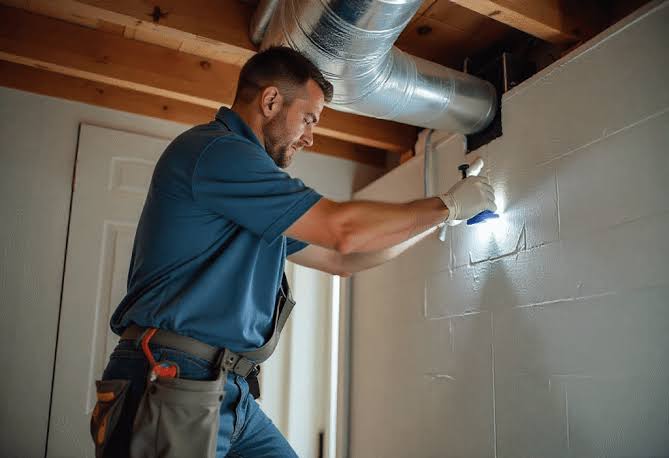
3. Sealing Air Leaks: Prior to installing insulation, it is crucial to seal any air leaks in the building envelope. This can include caulking gaps, weatherstripping doors and windows, and sealing ductwork to prevent air infiltration.

4. Installing the Insulation: Once the preparation work is complete, the insulation can be installed. This may involve laying batts or rolls, blowing in loose-fill insulation, or spraying foam insulation, depending on the chosen type. click to read on

By following proper installation techniques, insulation can effectively enhance energy efficiency, reduce energy consumption, and provide a more comfortable living or working environment. It is recommended to consult with professionals or refer to manufacturer guidelines to ensure proper installation techniques are followed for each specific type of insulation.

In conclusion, insulation is a crucial component in enhancing energy efficiency and reducing energy consumption in buildings. It acts as a barrier, preventing heat transfer and minimizing the need for excessive heating or cooling. The benefits of energy-efficient insulation include reducing greenhouse gas emissions, lowering energy bills, creating a more comfortable indoor environment, and minimizing noise transmission. There are various types of insulation available, such as fiberglass, spray foam, cellulose, and rigid foam, each with its own unique properties and applications. Proper installation is essential to maximize the energy-saving benefits of insulation, and it involves preparing the area, measuring and cutting the insulation materials accurately, sealing air leaks, and installing the insulation according to the chosen type. To achieve optimal energy efficiency, it is important to consider factors such as climate, budget, and specific building requirements when selecting and installing insulation.

RELATED ARTICLES

Discover The Best Heart Monitor Bands For Your Health

In recent years, the popularity of wearable technology has surged, with heart monitor bands emerging as a prominent choice for health-conscious individuals. These innovative devices offer users the ability to continuously track their heart rate, monitor their physical activity, and gain valuable insights into their overall wellness. As fitness enthusiasts and casual users alike seek to optimize their health routines, heart monitor bands have become essential tools in understanding personal fitness metrics and encouraging a more active lifestyle. Designed for comfort and ease of use, these bands can be worn throughout the day, seamlessly integrating into daily activities while providing real-time data and feedback. With advancements in technology, many heart monitor bands also feature additional functionalities, such as sleep tracking, calorie counting, and integration with smartphone applications. In this article, we delve into the various benefits of heart monitor bands, explore how they work, and examine key features to consider when choosing the right device for your health journey. Benefits of Heart Monitor Bands One of the primary advantages of using a heart monitor band is the ability to gather continuous and accurate data on your heart rate, which is crucial for optimizing workouts and enhancing cardiovascular health. By monitoring heart rate during various activities, users can establish ideal training zones, ensuring they are exercising within safe and effective limits. Additionally, many of these devices offer valuable insights into resting heart rates and recovery times, which can help detect any abnormal patterns that might indicate health issues. The integration with smartphone applications provides a platform for users to track their progress over time, making it easier to set and achieve personal fitness goals. Key Features to Consider When selecting the right heart monitor band for your needs, several key features should be evaluated. Look for bands that offer customizable display options, heart rate variability tracking, and long battery life. Some advanced models also include GPS functionality for outdoor activities and support for various exercise modes. Moreover, compatibility with other health apps can enhance the overall experience by centralizing all wellness data in one place. It’s essential to choose a device that not only fits comfortably into your daily routine but also provides the insights necessary for a productive health journey. As the demand for health monitoring tools continues to rise, heart monitor bands stand out as versatile companions on the journey to better health. These devices empower users by offering personalized analytics that can lead to informed decisions about fitness and wellness. The ability to monitor heart metrics continuously and access insightful data through user-friendly applications promotes a proactive approach to health management. Furthermore, with ongoing advancements in technology, heart monitor bands are becoming increasingly sophisticated, providing users with a comprehensive understanding of their cardiovascular health. By investing in a heart monitor band, individuals are not only enhancing their fitness routines but also fostering a greater connection to their overall well-being, making them a valuable asset in today’s health-conscious society. Will PitmanView all posts by Will Pitman

Prosthodontist Guide: Your Path To A Perfect Smile

Prosthodontics is a specialized branch of dentistry that focuses on the restoration and replacement of teeth. A prosthodontist is a dental expert trained to enhance the aesthetics and functionality of patients’ smiles through the use of crowns, bridges, dentures, and other prosthetic devices. With extensive knowledge in both the art and science of dental restoration, prosthodontists play a crucial role in improving patients’ quality of life, helping them regain confidence in their smiles while addressing various dental issues caused by trauma, disease, or congenital conditions. In today’s world, where first impressions matter, the role of a prosthodontist extends far beyond simple tooth restoration. These highly skilled professionals not only focus on the physical aspects of dental restoration but also emphasize the psychological impact of oral health on overall well-being. By employing advanced techniques and cutting-edge technology, prosthodontists are able to craft customized solutions that not only restore function but also create beautiful, natural-looking smiles. This article delves into the significance of prosthodontics, outlining the various procedures involved and the essential role these specialists play in dental care. The Role of Prosthodontics in Dental Health Prosthodontics encompasses a variety of techniques designed to restore missing or damaged teeth, ultimately improving both functionality and aesthetics. Common procedures include the use of crowns and bridges to replace damaged teeth, as well as dentures that provide an effective solution for those with significant tooth loss. Prosthodontists carefully assess each patient’s unique needs, crafting personalized treatment plans that lead to improved oral health and enhanced smiles. The importance of seeking specialized care from a qualified professional, such as a Prosthodontist in Tampa FL, cannot be understated, as they bring an artistic touch and scientific expertise to the field. Advancements in Prosthodontic Techniques As technology continues to advance, so too does the field of prosthodontics. Digital dentistry, including 3D imaging and computer-aided design, allows for more precise and efficient treatment planning, reducing the time patients spend in the dental chair. Innovative materials such as zirconia and porcelain are being utilized for their strength and aesthetic qualities, enabling prosthodontists to create restorations that closely mimic the appearance of natural teeth. These advancements not only improve the quality of dental restorations but also enhance patient satisfaction, reinforcing the significance of ongoing education and skill development in this specialized field of dentistry.ZM Dental 14021-B North Dale Mabry HWY Tampa, FL 33618 (813) 513-5045 In conclusion, prosthodontics stands as a vital cornerstone of contemporary dental care, blending artistry with advanced engineering to restore the form and function of patients’ smiles. The intricate work of a prosthodontist transcends basic tooth repair, addressing both physical health and emotional wellbeing by creating solutions that improve self-esteem and quality of life. As techniques and technologies continue to evolve, the future of prosthodontics promises even more individualized and effective treatments, solidifying the importance of these specialists in the broader healthcare landscape. Patients seeking to restore their smiles are not just receiving dental work; they are embarking on a journey towards renewed confidence and improved oral health, making consultations with skilled prosthodontists an essential step in comprehensive dental care. Will PitmanView all posts by Will Pitman

Leave a Reply

Your email address will not be published. Required fields are marked *