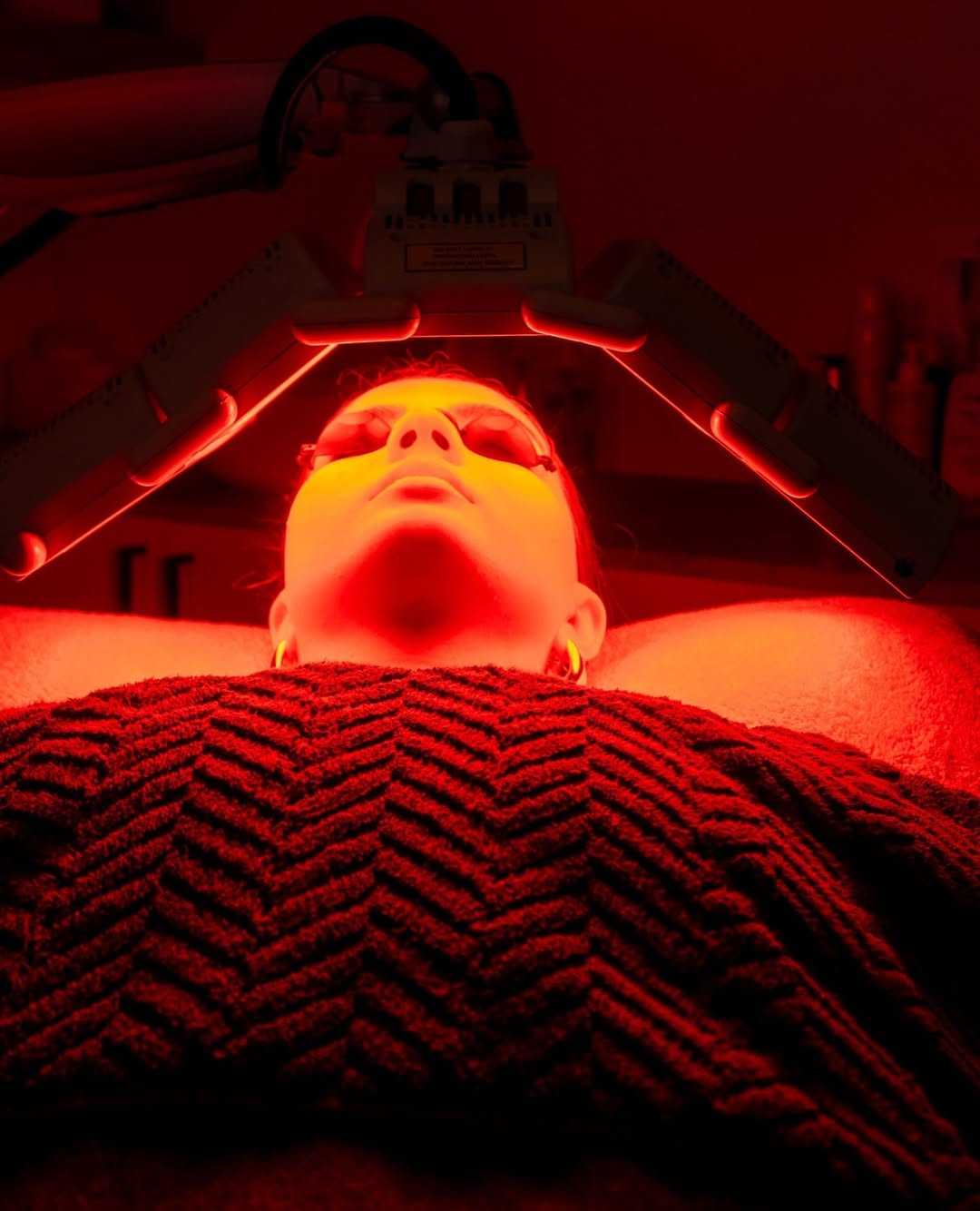
Whole body red light therapy is emerging as a groundbreaking treatment that harnesses the power of light to promote healing, enhance wellness, and improve overall health. This non-invasive therapy utilizes specific wavelengths of red and near-infrared light to penetrate the skin and stimulate cellular functions. As more research unveils its benefits, individuals are increasingly turning to this innovative approach to address various issues such as inflammation, muscle recovery, skin rejuvenation, and even mood enhancement.

With its roots in photobiomodulation, whole body red light therapy has gained popularity among athletes, wellness enthusiasts, and those seeking alternative methods for treatment. In this article, we will explore the science behind this therapy, examine the potential benefits it offers, and review the latest advancements in technology that make it accessible for everyday use. As we delve deeper into the intricacies of red light therapy, it becomes clear that this holistic approach could be a significant player in the future of health and wellness.

How Red Light Therapy Works

Whole body red light therapy operates on the principle of photobiomodulation, where specific wavelengths of light are absorbed by the skin, leading to a cascade of biological responses at the cellular level. This process helps to enhance mitochondrial function, which plays a critical role in energy production within our cells. As a result, increased ATP (adenosine triphosphate) production leads to improved cellular repair and regeneration. The therapy is recognized for its effectiveness in reducing inflammation and bolstering the body’s natural healing mechanisms, making it a favored option for those recovering from injuries or looking to enhance athletic performance.

Benefits of Whole Body Red Light Therapy

The potential benefits of incorporating whole body red light therapy into a wellness routine are vast and varied. Users often report improvements in skin conditions such as acne and aging, thanks to the therapy’s ability to stimulate collagen production. Additionally, many individuals experience enhanced mood and reduced symptoms of anxiety and depression, making this therapy not just a treatment for physical ailments but also a holistic approach to mental well-being. As scientific research continues to grow, the adaptability of red light therapy suggests its role in various health applications will only expand, encouraging widespread adoption in both clinical and home settings.


In conclusion, whole body red light therapy stands out as a versatile and promising intervention that marries advanced science with holistic health practices. As studies continue to validate its efficacy across a spectrum of applications—from promoting healing in sports injuries to enhancing skin vitality and uplifting mental health—this innovative therapy showcases its potential as a cornerstone in contemporary wellness routines. With increased accessibility provided by advancements in technology, individuals are poised to embrace red light therapy not just as a fleeting trend, but as an integral component of their proactive approach to health and well-being. As we step into a future focused on preventive care and natural healing modalities, whole body red light therapy is likely to occupy a significant role in shaping more vibrant and healthier lives.

RELATED ARTICLES

Best Whole Body Red Light Therapy For Health & Wellness

Whole body red light therapy is emerging as a groundbreaking treatment that harnesses the power of light to promote healing, enhance wellness, and improve overall health. This non-invasive therapy utilizes specific wavelengths of red and near-infrared light to penetrate the skin and stimulate cellular functions. As more research unveils its benefits, individuals are increasingly turning to this innovative approach to address various issues such as inflammation, muscle recovery, skin rejuvenation, and even mood enhancement. With its roots in photobiomodulation, whole body red light therapy has gained popularity among athletes, wellness enthusiasts, and those seeking alternative methods for treatment. In this article, we will explore the science behind this therapy, examine the potential benefits it offers, and review the latest advancements in technology that make it accessible for everyday use. As we delve deeper into the intricacies of red light therapy, it becomes clear that this holistic approach could be a significant player in the future of health and wellness. How Red Light Therapy Works Whole body red light therapy operates on the principle of photobiomodulation, where specific wavelengths of light are absorbed by the skin, leading to a cascade of biological responses at the cellular level. This process helps to enhance mitochondrial function, which plays a critical role in energy production within our cells. As a result, increased ATP (adenosine triphosphate) production leads to improved cellular repair and regeneration. The therapy is recognized for its effectiveness in reducing inflammation and bolstering the body’s natural healing mechanisms, making it a favored option for those recovering from injuries or looking to enhance athletic performance. Benefits of Whole Body Red Light Therapy The potential benefits of incorporating whole body red light therapy into a wellness routine are vast and varied. Users often report improvements in skin conditions such as acne and aging, thanks to the therapy’s ability to stimulate collagen production. Additionally, many individuals experience enhanced mood and reduced symptoms of anxiety and depression, making this therapy not just a treatment for physical ailments but also a holistic approach to mental well-being. As scientific research continues to grow, the adaptability of red light therapy suggests its role in various health applications will only expand, encouraging widespread adoption in both clinical and home settings.   In conclusion, whole body red light therapy stands out as a versatile and promising intervention that marries advanced science with holistic health practices. As studies continue to validate its efficacy across a spectrum of applications—from promoting healing in sports injuries to enhancing skin vitality and uplifting mental health—this innovative therapy showcases its potential as a cornerstone in contemporary wellness routines. With increased accessibility provided by advancements in technology, individuals are poised to embrace red light therapy not just as a fleeting trend, but as an integral component of their proactive approach to health and well-being. As we step into a future focused on preventive care and natural healing modalities, whole body red light therapy is likely to occupy a significant role in shaping more vibrant and healthier lives. Will Pitman View all posts by Will Pitman

How Can A Criminal Defense Attorney Respond To Weak Evidence?

A criminal case can depend heavily on the quality of the evidence the prosecution presents. If you are facing a charge in Fort Worth, Texas, weak evidence does not automatically mean the case will be dismissed. It does mean that certain parts of the prosecution’s position may deserve closer legal examination. Evidence can be considered weak for different reasons. A witness may have limited knowledge of what happened, or a recording may not clearly show what the prosecution claims. The legal response depends on the type of evidence and how it is being used. Questioning Whether Evidence Is Reliable One possible response is to challenge how dependable certain evidence actually is. Witness testimony, for example, may raise concerns if the person had only a brief opportunity to observe what happened. A lawyer can examine whether the testimony is based on personal knowledge. They may also question whether the witness’s account has changed in a way that affects credibility. Physical or digital evidence can create different concerns. A photograph may lack context, while a recording may capture only part of an interaction. An attorney can consider whether the material supports the conclusion the prosecution is asking the court or jury to draw from it. Challenging Whether Evidence Can Be Used Weak evidence is not always the same as inadmissible evidence. Something can appear unconvincing but still be allowed in court. In other situations, legal rules may prevent certain material from being presented at all. A criminal defense attorney can examine whether evidence was obtained lawfully. They may raise a motion asking the court to exclude it if there is a valid legal basis. The court then decides whether the evidence can be used. This distinction matters because the attorney is not simply arguing that the evidence is bad. They may be asking whether the prosecution is legally permitted to rely on it. Testing Whether The Prosecution Can Meet Its Burden The prosecution generally must prove every required element of a criminal charge beyond a reasonable doubt. Weak evidence may become especially significant when it relates directly to one of those elements. A lawyer can focus attention on whether the prosecution has enough admissible evidence to establish what the law requires. They may also point out gaps that affect how the accusation should be evaluated. That does not guarantee a particular result. A court may still allow disputed evidence, and a jury may decide how much weight to give it if the case goes to trial. The practical issue is whether the prosecution can prove the charge with the evidence it is legally allowed to present. An attorney can help you understand where that question may arise and what legal responses may be available as the Fort Worth case continues. Will Pitman View all posts by Will Pitman

Leave a Reply

Your email address will not be published. Required fields are marked *